


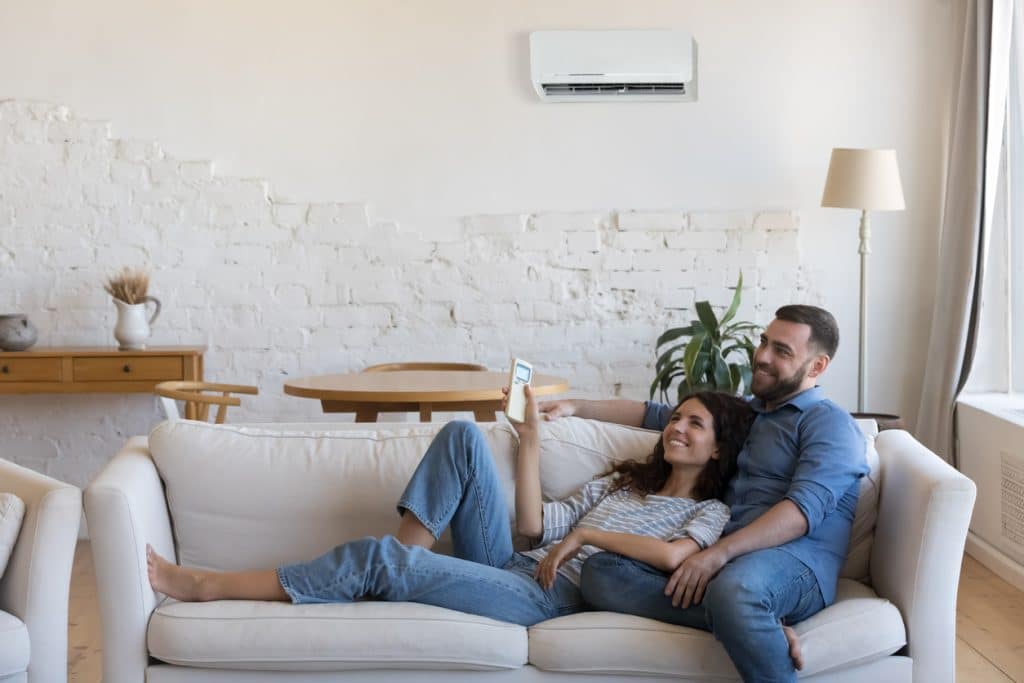
Some homes can feel stuffy when air isn’t circulating properly. Stale and humid air can accumulate, creating a heavy and uncomfortable indoor environment. Monitor humidity using a hygrometer and schedule an indoor air quality assessment. These strategies can help you determine what is necessary to improve comfort.
Homes That Feel Comfortable
Having an HVAC system that is sized properly and works correctly promotes clean, comfortable indoor air. When moisture levels are relatively low, the cooling process can help keep indoor humidity at a level that is between 35% and 50%. Maintaining clean ductwork, changing filters every 30 to 90 days, and adding extra ventilation systems support a comfortable residence and air that’s safe for everyone inside.
Airflow Issues and Stuffy Air
If you have vents or registers in your home that are not open, this can prevent ample airflow through your HVAC system. Air won’t circulate properly, often leading to one or more rooms that feel stuffy.
If you have heating or cooling equipment that is too large or small for your home, the result may be stale air pockets. Work with a professional who can perform a Manual J load calculation and help you choose new equipment.
The Need for Ventilation
Your HVAC system relies on an exchange of air between the inside and outside of your home. This expels stale air with high levels of contaminants and replaces it with fresh air. Many modern homes are built with a tight home envelope to reduce energy consumption. While this can reduce your monthly utility bills, it can also reduce indoor air quality and comfort. Use your exhaust fans regularly. Consider investing in ventilation equipment. There are models that can ventilate stale air while retaining warm or cool air. This prevents overuse of your HVAC system.
Controlling Indoor Humidity
The relative humidity in your home should always be between 35% and 50%. If levels rise above 50%, this can lead to stuffy and uncomfortable air. Not to mention, humid air can promote the growth of mold. This further diminishes your indoor air quality.
You can control indoor humidity using a whole-home dehumidifier or a whole-home humidifier. This equipment installs onto your HVAC system and removes or adds moisture as your heating or cooling equipment runs.
If your home feels stuffy or uncomfortable, there are steps you can take to improve comfort and indoor air quality. Consider investing in humidity-controlling equipment, air purification devices, and professional HVAC services. Routine maintenance and repairs can help keep your HVAC equipment working efficiently and effectively. If you have concerns or require indoor air quality services, contact Hughes HVAC in Bensalem, PA.