


Air conditioners often lie dormant throughout fall, winter, and early spring. Although they aren’t sustaining use-related wear during these times, inactivity still takes its toll. Damp condensate drains can develop thick buildups of biofilms and algae, and dust and other particulate matter settle on sensitive, interior components. Spring cleaning your air conditioner before higher temperatures arrive will reverse last summer’s wear and remove accumulated debris. Here’s how to get started.
The HVAC Air Filter
Rather than producing cold air, air conditioners remove the heat and humidity from the air already in homes. Your AC draws warm, indoor air in and passes it over its evaporator coil. The icy refrigerant inside this coil extracts humidity and chills the air just before distribution.
Air constantly moves through your AC’s filter. The filter sieves out dust, dander, and other particulates. If your air filter is dirty, your AC will have to work harder to move air. When airflow declines, evaporator coils can ice over, and air conditioners can short-cycle or overheat.
The best way to start your AC spring cleaning is by inspecting and replacing your air filter. You’ll find this component in the air handler or in the return air vent. To keep your AC working efficiently, inspect this component monthly and replace it every one to three months.
The Outside Condenser Unit
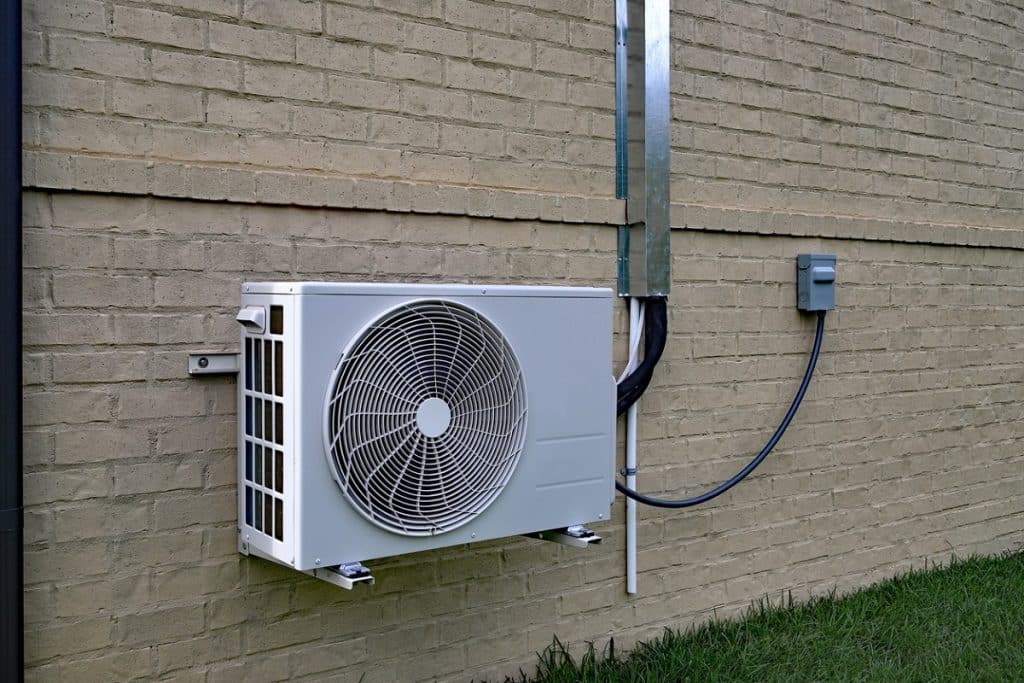
After extracting heat and humidity, refrigerant flows to the outdoor condenser unit as a high-pressure gas. This is where it sheds its heat and becomes a cold liquid again. If overgrown trees, grass, or shrubs are crowded around the condenser, your AC will have a hard time releasing heat. Much like having a dirty filter, this can cause your AC to short-cycle or overheat.
Clean the condenser’s perimeter. Remove all windblown debris, nesting materials from birds or other animals, and overgrown foliage. Throughout the cooling season, this component needs 18 to 24 inches of clearance all around.
Air Vents, Grilles, and Registers
Over time, air vents, grilles, and registers can develop the same lint-like buildups that form on air filters. These buildups can inhibit airflow and cause functional problems. Use a soft, damp cloth to wipe these features clean. Use your vacuum cleaner’s hose attachment to gently remove dirt, lint, and other grime.
Make sure that all vents are open. Closing air vents is a common strategy for redirecting cooled or heated air when residents no longer want it. But vent closures can inhibit airflow by increasing static pressure in ductwork. Every vent in your home should be at least partially opened to ensure optimal AC performance.
Schedule Comprehensive AC Maintenance
Your air conditioner will need a much deeper spring cleaning before summer arrives. Comprehensive AC maintenance is a job for trained HVAC technicians. During professional AC tune-up service, your HVAC technician will:
- Test airflow
- Check for refrigerant leaks
- Optimize blower fan speeds
- Lubricate moving parts
- Calibrate your thermostat
- Replace worn parts
- Clean and sanitize the condensate drain
HVAC technicians also carefully clean evaporator and condenser coils. They use special tools to avoid bending coil fins and causing refrigerant leaks.
With these spring cleaning tips and professional AC maintenance, you can start summer off right. By properly maintaining your AC, you’ll maintain warranty compliance, lower your energy bills, and avoid home cooling emergencies. Contact us at Hughes HVAC in Bensalem, PA for reliable, prompt AC repair services.